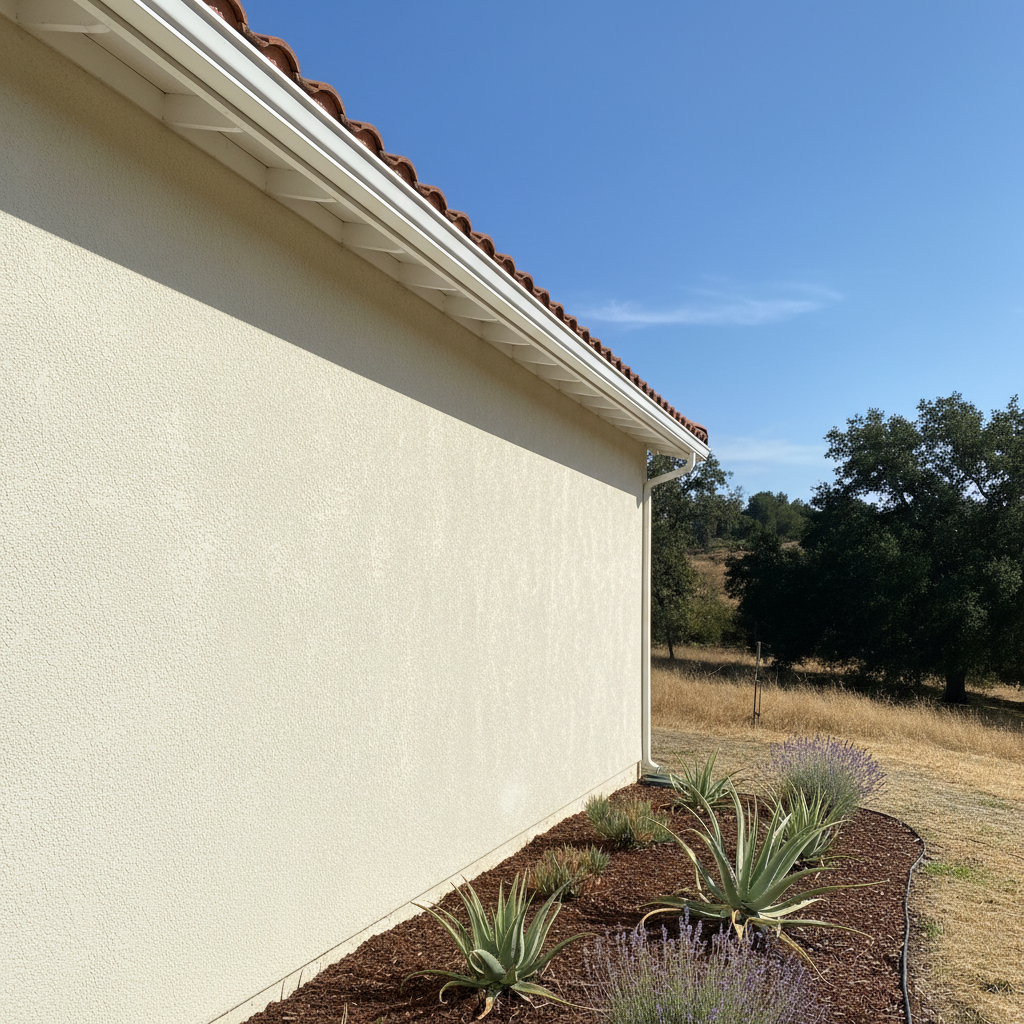
Stucco's a fantastic exterior for homes here in Diamond Bar. It's durable, looks sharp, and handles our Southern California sun pretty well. But "durable" doesn't mean "indestructible." If you want your stucco to last as long as it should – and trust me, it *can* last a very long time – you've got to give it a little love. It's not a ton of work, but it's important work.
Extending Your Stucco's Lifespan
Your home is a significant investment, and its exterior makes up a big part of that. The biggest thing you can do to extend your stucco's life is to keep water from getting behind it. Our climate here in Diamond Bar means we don't get constant rain, but when it *does* rain, it can come down hard. Plus, we get plenty of sprinkler overspray and condensation. Water, plain and simple, is stucco's number one enemy.
First off, make sure your gutters are clean and working right. If water's overflowing and running down your walls, it's going to find a way in eventually. Downspouts are the same story – they need to direct water well away from your foundation. I've seen too many homes where downspouts just dump water right at the base of the wall, and that's practically asking for trouble.
Second, keep an eye on your landscaping. Plants and shrubs that are right up against the stucco can trap moisture, stopping the wall from drying out properly. They can also scratch the surface or even grow into small cracks, making them bigger. Give your stucco some breathing room, okay?
Finally, a good paint or sealant helps a lot. A quality elastomeric paint can bridge those tiny hairline cracks and give an extra layer of defense against moisture. Think of it like putting a good raincoat on your house. Just make sure it's breathable, so any trapped moisture can still escape.
Regular Maintenance You Can Do
This isn't rocket science, folks. Most of what you need to do is just common sense and a quick walk-around your house a couple times a year.
- Clean it: Stucco gets dirty, especially with all the dust and occasional Santa Ana winds we get. A gentle wash with a garden hose and a soft brush can do wonders. For tougher spots, a mild detergent and water mixture works fine. Just don't use a high-pressure washer too close to the surface – you could damage the stucco or force water into places it shouldn't be.
- Inspect for cracks: Hairline cracks are normal. Stucco expands and contracts with temperature changes, and our big swings from hot days to cool nights can definitely cause that. But you're looking for bigger cracks, especially those wider than a credit card, or ones that spiderweb or run horizontally. These can be entry points for water.
- Check around openings: Windows, doors, and utility penetrations are common spots for water to sneak in. Make sure the caulking around these areas is still intact and flexible. If it's cracked, brittle, or missing, it definitely needs replacing.
- Look at your trim and flashing: Any place where stucco meets a different material – like wood trim, roof flashing, or even a deck – needs to be sealed properly. Make sure there are no gaps there.
Warning Signs of Problems
Don't ignore these. Catching them early can save you a ton of money and headaches down the road.
- Stains: Dark streaks, especially below windows or along the foundation, often mean water is getting in and running down behind the stucco. Green or black staining can also signal mold or mildew growth from constant moisture.
- Bulging or crumbling stucco: This is a serious red flag. If the stucco looks like it's separating from the wall, or if it's soft and crumbles when you touch it, you've got significant water damage and possibly rot underneath.
- Efflorescence: Those white, powdery deposits on the surface? That's efflorescence, and it's salts left behind when water evaporates from inside the stucco. It means moisture is present where it shouldn't be.
- Cracks that grow: A small hairline crack might be nothing, but if you notice it getting wider or longer over time, it's telling you there's an ongoing issue.
When to Call a Professional
Look, I'm a big believer in DIY for small stuff, but there are times you just need to call in the pros. If you see any of those serious warning signs – bulging, crumbling, persistent staining, or large, growing cracks – don't try to patch it yourself. You might just be covering up a much bigger problem.
Also, if you're not sure what you're looking at, or if you suspect water intrusion but can't pinpoint the source, it's time for an expert. We've got the tools and the experience to diagnose the real issue, not just treat the symptom. Sometimes, what looks like a small crack on the surface is just the tip of the iceberg for hidden damage. At Oasis Stucco, we've seen it all, from minor repairs to full-blown remediation projects. Getting a professional assessment early can prevent minor issues from turning into major structural problems for your Diamond Bar home. Don't wait until it's a huge headache; a quick call can give you peace of mind.