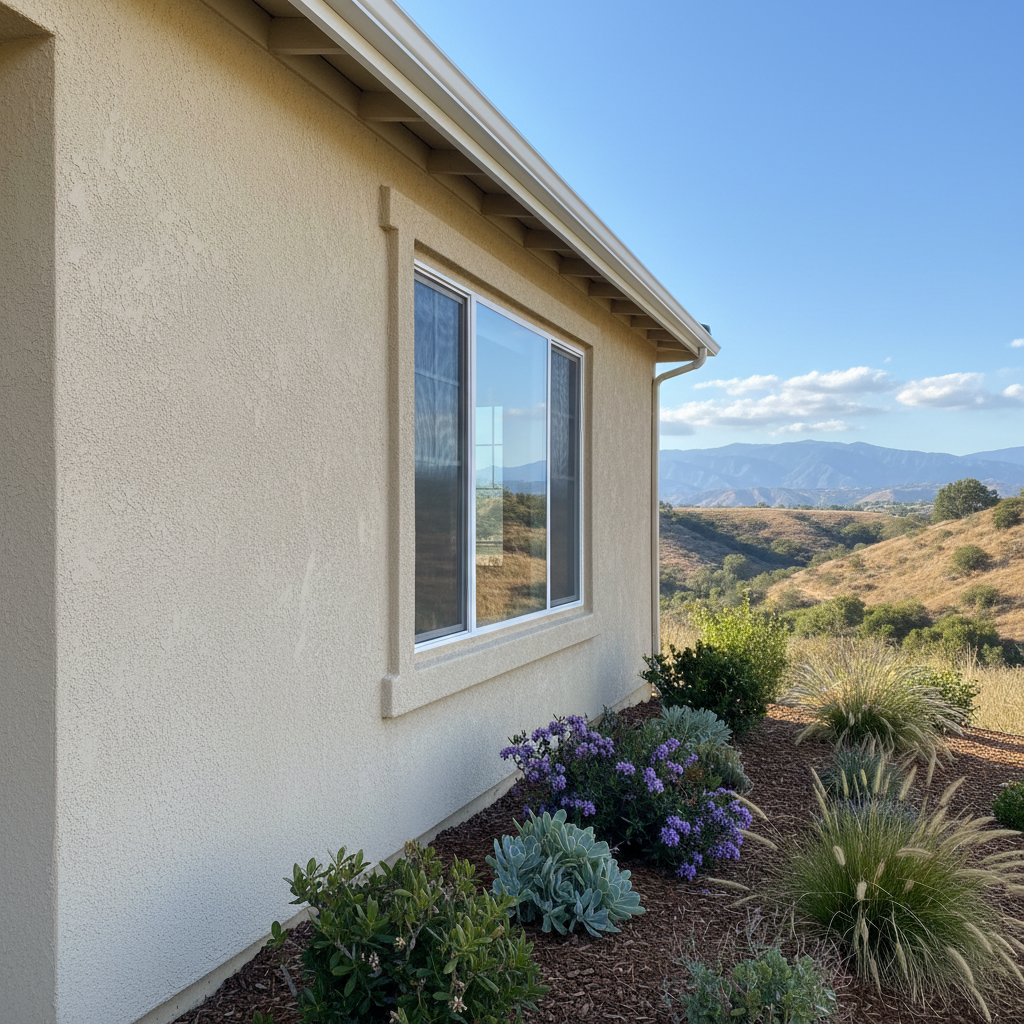
You've got EIFS on your home, and that's a smart move. Exterior Insulation and Finish Systems, or EIFS, are fantastic for insulation and giving your place a clean, modern look. We've installed a lot of it here at Oasis Stucco, all over Diamond Bar, from the older homes near the country club to the newer developments up on the hills. But just because it's tough doesn't mean you can forget about it. Like anything else, it needs a bit of attention to keep doing its job and looking good for decades.
Extending the Life of Your EIFS
The biggest thing you can do to extend the life of your EIFS is pretty simple: keep it clean and keep water away from it. Our climate here in Southern California, with those long dry spells followed by sudden heavy rains, can be tough on exteriors. Dust, pollen, and even smog can build up on your walls. When that mixes with rain, it can create streaks and even encourage mold or mildew growth, especially on north-facing walls that don't get as much sun.
A gentle cleaning once a year, or every couple of years, goes a long way. Use a soft brush or a low-pressure power washer with a mild detergent. I'm talking about a setting that's gentle enough you could spray your hand without pain, not something that'll strip paint off a car. Always rinse thoroughly from the top down. Don't let water pool around the base of your walls. Make sure your sprinklers aren't constantly hitting the EIFS, and that your gutters are clean and directing water away from the foundation.
Another big one is protecting it from physical damage. EIFS is durable, but it's not indestructible. If you're doing yard work, be careful with weed whackers or anything that could impact the surface. Even a small ding can become a problem if water gets in.
Regular Maintenance: What You Should Be Doing
Beyond cleaning, regular visual inspections are your best friend. Walk around your house at least twice a year, maybe after our winter rains and again before the heat of summer really kicks in. What are you looking for?
- Cracks: Hairline cracks are sometimes normal with expansion and contraction, but anything wider than a credit card, especially around windows, doors, or corners, needs attention.
- Discoloration or Staining: Dark streaks, green patches, or black spots can indicate mold, mildew, or water intrusion.
- Bulges or Soft Spots: Press gently on the EIFS in a few areas. If it feels soft, spongy, or you see any bulges, that's a red flag for water trapped underneath.
- Sealant Integrity: Check the caulk around windows, doors, and where the EIFS meets other materials like trim or your foundation. If it's cracked, peeling, or missing, it's not doing its job.
- Impact Damage: Look for dings, gouges, or holes from things hitting the wall.
Pay extra close attention to areas that get a lot of sun exposure or are prone to water runoff. Here in Diamond Bar, where we've got a lot of varied terrain and some homes are built on slopes, water management is key. You'll often see issues first near the base of walls or under eaves.
Warning Signs of Bigger Problems
If you see any of the more serious issues I just mentioned – significant cracking, widespread staining, bulges, or soft spots – you've likely got a water intrusion problem. This isn't something to ignore. Water getting behind EIFS can lead to rot in the sheathing and framing underneath, which is a much bigger, more expensive repair than fixing the EIFS itself. You might also notice an increase in your energy bills if the insulation layer is compromised, or even a musty smell inside your home if mold is growing.
Another sign is if the EIFS starts to delaminate, meaning it's separating from the wall underneath. This usually looks like bubbling or peeling. That's a clear indication that the adhesive has failed, likely due to moisture.
When to Call a Professional
Look, I'm all for homeowners taking care of their property. But some things are best left to the pros. If you spot any of those bigger warning signs – significant cracks, soft spots, bulges, or delamination – don't try to patch it yourself. EIFS repair isn't like patching drywall. It requires specific materials and knowledge of how the system works to ensure the repair is watertight and doesn't create new problems.
You should also call us if you're unsure about what you're seeing. A quick inspection from someone who knows EIFS can save you a lot of headache and money down the road. We can identify potential issues before they become major, fix small problems properly, and ensure your EIFS continues to protect and insulate your home effectively. Here at Oasis Stucco, we've seen it all, and we're happy to come out and give you an honest assessment. It's always better to be proactive than reactive when it comes to your home's exterior.