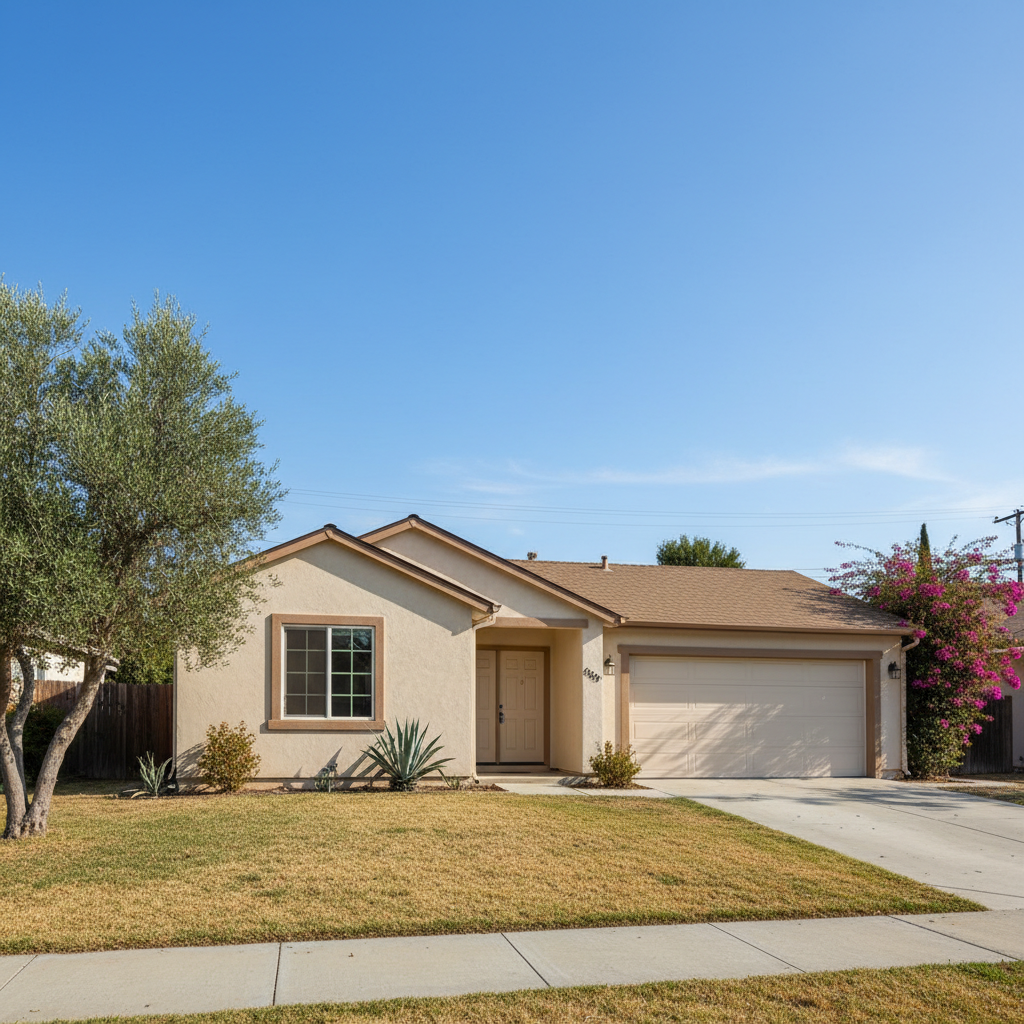
Alright, let's talk about EIFS. Maybe you're considering it for your home right here in Diamond Bar because you've heard good things about its energy efficiency or how flexible it is for design. That's fantastic! It really is a solid system, assuming it's put in correctly. But then you start looking at prices, and suddenly it feels like you're trying to hit a moving target. What's a fair price, anyway? And what exactly are you paying for?
I've been in this business for a long time, and I've seen all sorts of bids land on homeowners' desks. My goal here is to give you the real lowdown on EIFS installation costs. That way, you can make a smart choice and, hopefully, avoid getting ripped off.
What Really Makes EIFS Installation Costs Go Up or Down?
It's honestly not just about how many square feet we're covering, believe me. A whole bunch of things play into that final price tag. Here's what we, as contractors, are usually looking at when we put together a bid:
- System Type: Are we talking about a barrier EIFS or a drainage EIFS? Drainage systems are more involved, and I almost always suggest them for homes here in Southern California—especially with our occasional heavy rains. They come with a secondary water barrier and a drainage plane, which means more materials and more labor. It's an extra layer of protection, sure, and it costs more upfront, but it's totally worth it for the peace of mind.
- Project Complexity & Design: A flat, two-story wall is way easier (and cheaper) to put EIFS on than a house with tons of architectural details. Think cornices, quoins, arches, or lots of bump-outs. Every single corner, every window, every door opening, and every decorative bit takes more time and skill to properly flash, seal, and finish. If you live in, say, the Country Estates area with a home that has lots of intricate designs, expect to pay more per square foot.
- Accessibility: How easy is it for us to get to the walls? If we need a lot of scaffolding, lifts, or special equipment because of tight spots, steep grades, or really high walls, that's going to add to the labor and equipment rental costs.
- Substrate Condition: What's the EIFS going over? If the existing sheathing is damaged, rotted, or just not flat, we have to fix that first. Any prep work—like repairs, demolition, or a deep clean—will add to the bill.
- Insulation Thickness: EIFS is an insulated system, after all. The thicker the insulation board (that's EPS foam), the better the R-value, but also the higher the material cost. Most projects use 1-2 inches, but some folks go thicker to get the most energy savings possible.
- Finish Type & Color: There's a huge range of EIFS finishes out there, from super smooth to really coarse. You can even get synthetic stucco that looks like stone or brick. The more specialized or intricate the finish, the more it costs. Sometimes, custom colors also come with a premium.
- Permits & Engineering: Don't forget these. Most EIFS installations, especially new ones or big renovations, need permits from the City of Diamond Bar. Occasionally, you'll need engineering plans too, which is another cost you'll see.
Typical EIFS Installation Cost Ranges in Diamond Bar
Okay, let's get down to some actual numbers. Remember, these are just ranges, and your specific project might fall outside them depending on all those factors I just mentioned. These prices generally cover materials, labor, and basic project management for a drainage EIFS system.
- Basic, Straightforward Project: For a simple, two-story home with minimal architectural features, you're probably looking at anywhere from $12 to $18 per square foot of wall surface. This would be for a standard thickness (1-2 inches) and a common textured finish.
- Mid-Range Complexity: If your home has a few more details, maybe some window bands, or slightly tougher access, the price can climb to $18 to $25 per square foot. Many Diamond Bar homes with a bit of character tend to land in this range.
- High-End or Complex Projects: For really intricate designs, extensive scaffolding needs, thicker insulation, or specialized finishes, you could be looking at $25 to $35+ per square foot. Think custom homes or older, highly detailed structures.
So, for an average 2,000 square foot home with, let's say, 1,500 square feet of exterior wall surface, a mid-range EIFS job could easily run you anywhere from $27,000 to $37,500. It's not a small investment, but it's one that really adds value and boosts energy efficiency.
What Should a Quote Include?
When Oasis Stucco gives you a quote, we make sure it's easy to understand. Here's what you should expect to see itemized in any reputable contractor's bid:
- Detailed Scope of Work: Exactly what's getting done. This means surface prep, the specific EIFS system (barrier or drainage), insulation thickness, finish type and color, flashing details, sealant application, and so on.
- Materials Breakdown: A list of the main materials we'll use, including brand names if that's relevant.
- Labor Costs: Often combined with materials, but it should be clear that labor is covered.
- Permit Fees: Who's responsible for pulling permits and what that's estimated to cost.
- Equipment Rental: Scaffolding, lifts, etc., if they're needed.
- Waste Removal: How we'll handle and dispose of debris.
- Warranty Information: Details on the contractor's workmanship warranty and any manufacturer's warranties.
- Payment Schedule: Clear milestones for when payments are due.
How to Avoid Overpaying for EIFS
Getting a fair price isn't just about finding the cheapest bid; it's about getting good work for a reasonable cost. Here's my advice:
- Get Multiple Bids (But Compare Apples to Apples): Don't just get one quote. Get three. But here's the really important part: make sure they're all quoting for the exact same amount of work, the same type of EIFS system, and similar quality materials. A low bid might be for a cheaper, less robust barrier system, while a higher one is for a full drainage system. See the difference?
- Ask for References & Check Them: A good contractor will have happy clients. Call them up. Ask about the project, how communication went, if they were on time, and if they'd hire them again.
- Verify Licenses & Insurance: This is non-negotiable. Make sure the contractor is properly licensed with the CSLB and carries general liability and workers' compensation insurance. You really don't want to be stuck with the bill if someone gets hurt or something goes wrong.
- Understand the Warranty: What does it cover? How long does it last? A strong warranty usually shows a contractor has confidence in their work.
- Don't Rush the Decision: Take your time to look over quotes, ask questions, and feel comfortable with the contractor you pick.
- Beware of Extremely Low Bids: If one bid comes in way lower than the others, there's usually a reason. Maybe they're cutting corners on materials, labor, insurance, or just don't fully grasp the scope. It's often a big red flag.
EIFS is a fantastic exterior system when it's done right. Do your homework, ask the right questions, and you'll end up with a beautiful, durable, and energy-efficient exterior for your Diamond Bar home.