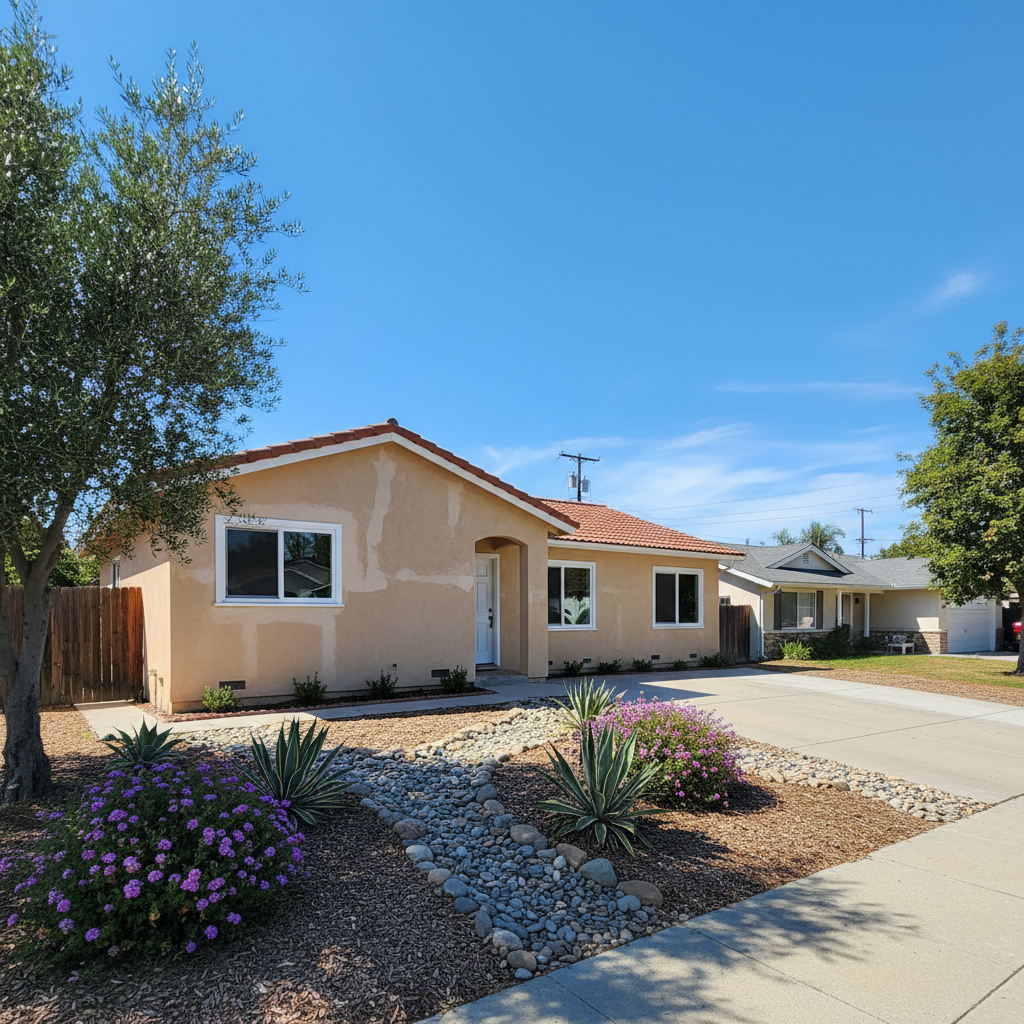
You see a crack. Or maybe a patch of stucco just looks… off. It's not just an eyesore, you know; it's a sign your home's exterior might be trying to tell you something important. Here in Diamond Bar, I see stucco damage all the time, and it's rarely just cosmetic. Ignoring it can lead to bigger, much more expensive headaches down the road. So, let's talk about what causes these issues and how to get them sorted out properly.
Why Stucco Fails: It's Not Always What You Think
When folks call me about stucco repair, they often figure it's just old age or a bad patch job from years ago. Sometimes that's true, sure, but more often, there's a root cause that really needs addressing. You can patch a crack all day long, but if you don't fix the underlying problem, that crack's just gonna come right back.
One of the biggest culprits, especially in areas like the hills around Grand Ave, is ground movement. We're in an active seismic zone, and even minor tremors or settling can put stress on your home's foundation and, by extension, its stucco. I've seen homes in the Country Estates area, for example, where subtle shifts over decades cause hairline cracks to widen into something more serious. It's not always a dramatic earthquake; sometimes it's just the earth doing its slow, steady thing.
Then there's water. Oh, water. It's the enemy of almost every building material, and stucco is no exception. Leaky gutters, poor drainage around your foundation, or even just a sprinkler system hitting the wall too often can introduce moisture behind the stucco. Once water gets in, it can absolutely wreak havoc. It can cause the lath (that's the mesh behind the stucco) to rust, leading to bulging or crumbling. It can also lead to efflorescence – those white, chalky deposits – which is a clear sign of moisture problems. I've seen plenty of homes, especially those with older window installations, where water infiltration was the real problem, not just a surface crack.
Thermal expansion and contraction also play a role. Our Diamond Bar weather, with its hot summers and cooler winters, means building materials are constantly expanding and contracting. Stucco is pretty flexible, but over time, this constant movement can lead to stress cracks, especially around openings like windows and doors.
Common Stucco Damage I See Around Diamond Bar
So, what kind of damage should you be looking for? Here's a rundown of what I typically encounter:
- Hairline Cracks: These are usually the first sign. They can be minor, just from normal settling or thermal movement. But if they start to widen or spiderweb, that might indicate a bigger issue.
- Spiderweb Cracks (Map Cracking): This often points to issues with the stucco mix itself, like too much water during application, or a rapid drying process. It's usually a surface-level problem but can let water in over time.
- Vertical or Horizontal Cracks: These can be more serious, often indicating structural movement or foundation issues. If you see one running from a window corner down to the ground, that's a definite red flag.
- Bulging or Delamination: This is when the stucco pulls away from the wall. It almost always means water has gotten behind it, causing the lath to rust or the stucco to lose its bond.
- Soft Spots or Crumbling: If you can push on a spot and it feels soft, or if pieces are flaking off, you've got significant moisture damage. This needs immediate attention.
- Discoloration or Stains: Dark streaks, green patches (algae), or those white efflorescence stains are all indicators of water problems.
Why Local Expertise Matters for Stucco Repair
You might think stucco is stucco, no matter where you are. But that's just not true, especially when it comes to repairs. A contractor from out of the area might not understand the specific challenges we face here in Diamond Bar.
For example, our soil composition in many parts of the city, especially in the older, more established neighborhoods like those off Golden Springs, can be expansive clay. This soil swells when wet and shrinks when dry, putting constant pressure on foundations and stucco. A contractor who doesn't account for this in their repair methods might just be putting a band-aid on a deeper issue.
Also, I've worked on so many homes here over the years, from the mid-century builds to the newer developments. I know the common construction practices, the typical stucco systems used in different eras, and even the quirks of specific builders who were active in the area. This local knowledge helps me diagnose problems faster and recommend the right, long-lasting solution, not just a quick fix.
When Oasis Stucco takes on a repair job, we don't just patch the visible damage. We investigate. We figure out why that crack appeared in the first place. Is it a drainage issue? Is it structural? Is it just old age and weathering? Getting to the root cause is the only way to ensure the repair lasts. You want a repair that blends seamlessly with your existing stucco, not one that sticks out like a sore thumb. That takes skill, experience, and an understanding of the materials and techniques specific to our local homes.
Don't let those small cracks turn into big problems. Get them checked out by someone who knows Diamond Bar homes inside and out. It'll save you money and headaches in the long run.